Aborigines And Communication
Posted: 27 Jan 2017 23:21
The Wisdom Of The Real People
Oral folklore and historic, native writings throughout the world all feature some form of the psychic
phenomenon by which communication can occur between two different minds.
This mind to mind communication can include actual words, ideas, or thoughts as well as simple feelings,
mental pictures and sensations, calling this phychic communication by the name of "telepathy" is a
relatively new term though.
It was coined in 1882 by a French researcher known as Fredric Myers as a more scientific way to clearly
classify these mental connections as "telepathy" is derived from the Greek "tele" which means "distant" and
"pathe" which means "feeling" or "occurance". Different cultures have different takes on this mystical
phenomenon, some tribal groups such as the Aborigines in Australia, believe that telepathy is a standard
human faculty that all people can tap into and can perfect or home through extensive practice.
The aboriginals of Australia believe everything exist on the planet for a reason, everything in Oneness has
a purpose, there are no freaks, misfits or accidents, there are only things that humans do not understand.
In the community everyone is multi-talented , the aboriginals spend their life exploring themselves as
musician, healer,cook,storyteller, etc, and giving themselves new names and promotions, every human being
is unquie and each of us is given certain characteristics that are exceptionally strong and can become a
talent in life, each child is named at birth, but it's understood that as a person develops, the birth name will
be outgrown, and the individual will select for themselves a more appropriate one, they change their names
more than once in their lifetime depending what their role is in the community which normally consists of
a Storyteller, Tool Maker, Secret Kepper, Sewing Master, Big Music, Bearer of Happiness, Female Healer,
Medicine Man, Spirit Woman, Bird Dreaming, and Great Stone Hunter.
The aborigines celebrate no holidays in the yearly manner as we do, they do honour each tribe member
sometime throughout the year, not on a specific birthday, but rather to acknowledge the persons talent, his
contribution to the community, his personal spiritual growth, everyone is recognised by a special party, but
it has nothing to do with age or birthdate, when they do celebrate if they are a better, wiser person than the
last year.
The aboriginals feel that mental telepathy is the way humans were designed to communicate, when people
use head-to-head talk, different languages and various written alphabets are eliminated as obstacles.
They believe as "The Real People", meaning the aboriginals living in the outback,can use telepathy because above all
they never tell a lie, not a small fabrication,not a partial truth, nor gross unreal statement. No lies at all, so they
have nothing to hide. They are a group of people who are not afraid to have their minds open to receive and
are willing giving one another information.
The Real People don't think the voice was designed for talking, you do that with your heart and mind centre.
If the voice is used for speech one tends to get into small unnecessary and less spiritual conversation, the voice
is made for singing, for celebration and healing.
Message Sticks
Throughout Australia it is said that there are over 200 Aboriginal languages and 600 dialects, but apparently
no writing system for recording the spoken word.
How then were messages transmitted between different indigenous groups across the massive landmass of
Australia,...the solution was found in "message sticks" an ancient form of communication that has been used
for tens of thousands of years, and still is in use today in some parts in Australia.
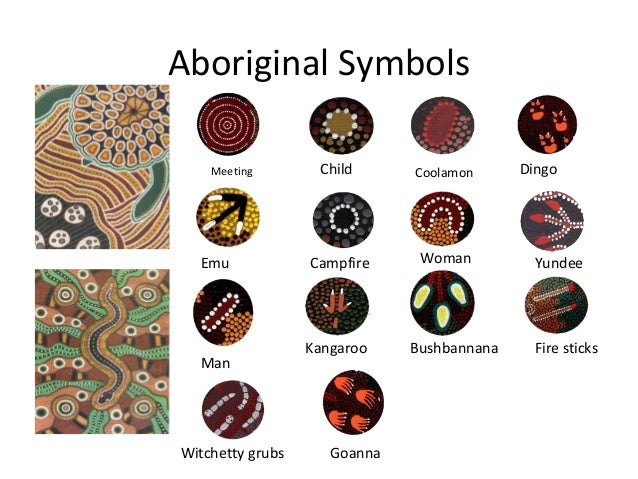
Traditional message sticks were made and crafted from wood and were generally small and easy to carry
(between 10 and 30cm) they were carved or painted with symbols and decorative designs which conveyed
messages and information, in addition, the symbols were meant to prove to its recipient that the messages
being carried were genuine, some were prepared hastily while others were prepared with more time to make
the markings neat and ornate, there were always marks that were distinctive to the particular group or
nation sending the message and often marks identifying the relationship of the carrier to their group.
This way it could be identified and authenticated by neighbouring groups and translators when the message
stick was taken long distances and passed by hand form one tribe to another.
Message sticks were regarded as objects that granted its carrier a kind of diplomatic immunity, as it guaranteed
safe passage and entry into lands of other tribes, even when entering "enemy territory".
When someone carring a message stick entered another group's country,mother announced themselves with
smoke signals and were then accompanied safely with the message stick to the "elders" so that they may speak
their verbal message, the messenger would then be accompanied back to the border with a reply to pass back
to their tribe.
The messages transmitted by these message sticks included announcements of ceremonies, invitations to
corroborates , notices, requests, disputes, warnings,meetings, marriage arrangements notification of a family
member passing and trade negotiations.
Remarkably, the message contained in these "tools of communication" could be understood by Aboriginals from
many different regions of Australia, despite the fact that they had different languages and dialects, for instance
one of the message sticks in the Dandiiri Maiwar Exhibition at the Queensland Museum and Science centre is as
Follows: Bishop White of Carpentaria described how he delivered a message stick on behalf of an Aboriginal boy
in Darwin to a boy in Daly Waters, Bishop White asked the boy from Darwin to explain the message.
The boy read the message symbols which requested headbands and boomerangs from Daly Waters.
The Bishop delivered the message stick and asked the recipient to tell him what the message was, the boy
interpreted the message stick exactly as the boy from Farwin had explained it.
It has been observed that while the messaging system was more highly developed in some regions than others,
there were some tribes that did not use the message stick system at all,Mathis might not be overly surprising
Considering the size of Australia and the number of different tribes once in existence, in addition, this also
reminds us that "Aboriginal culture" should not be viewed as a monolithic entity, but one that varied from one
region to,the next.
Message sticks have played an important part in communication between Aboriginal groups across the immense
Austrailian landscape for thousands of years,and have survived as part of Australian cultural celebrations.
Telepathic
2-5-3-5-7-1-2-8-9-3
9
http://973-eht-namuh-973.com/forum/view ... f=1&t=3058 45
http://973-eht-namuh-973.com/forum/view ... f=1&t=3058
http://973-eht-namuh-973.com/forum/view ... f=1&t=3058
Oral folklore and historic, native writings throughout the world all feature some form of the psychic
phenomenon by which communication can occur between two different minds.
This mind to mind communication can include actual words, ideas, or thoughts as well as simple feelings,
mental pictures and sensations, calling this phychic communication by the name of "telepathy" is a
relatively new term though.
It was coined in 1882 by a French researcher known as Fredric Myers as a more scientific way to clearly
classify these mental connections as "telepathy" is derived from the Greek "tele" which means "distant" and
"pathe" which means "feeling" or "occurance". Different cultures have different takes on this mystical
phenomenon, some tribal groups such as the Aborigines in Australia, believe that telepathy is a standard
human faculty that all people can tap into and can perfect or home through extensive practice.
The aboriginals of Australia believe everything exist on the planet for a reason, everything in Oneness has
a purpose, there are no freaks, misfits or accidents, there are only things that humans do not understand.
In the community everyone is multi-talented , the aboriginals spend their life exploring themselves as
musician, healer,cook,storyteller, etc, and giving themselves new names and promotions, every human being
is unquie and each of us is given certain characteristics that are exceptionally strong and can become a
talent in life, each child is named at birth, but it's understood that as a person develops, the birth name will
be outgrown, and the individual will select for themselves a more appropriate one, they change their names
more than once in their lifetime depending what their role is in the community which normally consists of
a Storyteller, Tool Maker, Secret Kepper, Sewing Master, Big Music, Bearer of Happiness, Female Healer,
Medicine Man, Spirit Woman, Bird Dreaming, and Great Stone Hunter.
The aborigines celebrate no holidays in the yearly manner as we do, they do honour each tribe member
sometime throughout the year, not on a specific birthday, but rather to acknowledge the persons talent, his
contribution to the community, his personal spiritual growth, everyone is recognised by a special party, but
it has nothing to do with age or birthdate, when they do celebrate if they are a better, wiser person than the
last year.
The aboriginals feel that mental telepathy is the way humans were designed to communicate, when people
use head-to-head talk, different languages and various written alphabets are eliminated as obstacles.
They believe as "The Real People", meaning the aboriginals living in the outback,can use telepathy because above all
they never tell a lie, not a small fabrication,not a partial truth, nor gross unreal statement. No lies at all, so they
have nothing to hide. They are a group of people who are not afraid to have their minds open to receive and
are willing giving one another information.
The Real People don't think the voice was designed for talking, you do that with your heart and mind centre.
If the voice is used for speech one tends to get into small unnecessary and less spiritual conversation, the voice
is made for singing, for celebration and healing.
Message Sticks
Throughout Australia it is said that there are over 200 Aboriginal languages and 600 dialects, but apparently
no writing system for recording the spoken word.
How then were messages transmitted between different indigenous groups across the massive landmass of
Australia,...the solution was found in "message sticks" an ancient form of communication that has been used
for tens of thousands of years, and still is in use today in some parts in Australia.
Traditional message sticks were made and crafted from wood and were generally small and easy to carry
(between 10 and 30cm) they were carved or painted with symbols and decorative designs which conveyed
messages and information, in addition, the symbols were meant to prove to its recipient that the messages
being carried were genuine, some were prepared hastily while others were prepared with more time to make
the markings neat and ornate, there were always marks that were distinctive to the particular group or
nation sending the message and often marks identifying the relationship of the carrier to their group.
This way it could be identified and authenticated by neighbouring groups and translators when the message
stick was taken long distances and passed by hand form one tribe to another.
Message sticks were regarded as objects that granted its carrier a kind of diplomatic immunity, as it guaranteed
safe passage and entry into lands of other tribes, even when entering "enemy territory".
When someone carring a message stick entered another group's country,mother announced themselves with
smoke signals and were then accompanied safely with the message stick to the "elders" so that they may speak
their verbal message, the messenger would then be accompanied back to the border with a reply to pass back
to their tribe.
The messages transmitted by these message sticks included announcements of ceremonies, invitations to
corroborates , notices, requests, disputes, warnings,meetings, marriage arrangements notification of a family
member passing and trade negotiations.
Remarkably, the message contained in these "tools of communication" could be understood by Aboriginals from
many different regions of Australia, despite the fact that they had different languages and dialects, for instance
one of the message sticks in the Dandiiri Maiwar Exhibition at the Queensland Museum and Science centre is as
Follows: Bishop White of Carpentaria described how he delivered a message stick on behalf of an Aboriginal boy
in Darwin to a boy in Daly Waters, Bishop White asked the boy from Darwin to explain the message.
The boy read the message symbols which requested headbands and boomerangs from Daly Waters.
The Bishop delivered the message stick and asked the recipient to tell him what the message was, the boy
interpreted the message stick exactly as the boy from Farwin had explained it.
It has been observed that while the messaging system was more highly developed in some regions than others,
there were some tribes that did not use the message stick system at all,Mathis might not be overly surprising
Considering the size of Australia and the number of different tribes once in existence, in addition, this also
reminds us that "Aboriginal culture" should not be viewed as a monolithic entity, but one that varied from one
region to,the next.
Message sticks have played an important part in communication between Aboriginal groups across the immense
Austrailian landscape for thousands of years,and have survived as part of Australian cultural celebrations.
2-5-3-5-7-1-2-8-9-3
9
http://973-eht-namuh-973.com/forum/view ... f=1&t=3058 45
http://973-eht-namuh-973.com/forum/view ... f=1&t=3058
http://973-eht-namuh-973.com/forum/view ... f=1&t=3058