The Alienation of Proxima Centauri
Posted: 07 Feb 2017 17:10
Back in August 2016 astronomers and alien life advocates were leaping for joy when an Earth-sized planet was discovered in a providential orbit around a not-so-distant star, currently refered to as Proxima Centauri b. A new era in the search for alternative life in metropolitan space was about to evolve.
By the way the discovery of Proxima Centauri b has other repercussions, for example the topic title adds a third definition to the dictionary of alienation, determined as I am to logically push the boundaries of the English language.
alienation
noun
1. the state or experience of being alienated.
'a sense of alienation from our environment'
synonyms: isolation, detachment, estrangement, distance, separation, severance, parting, division,
divorce, cutting off, turning away, withdrawal; etc
2.
LAW
the transfer of the ownership of property rights.
'most leases contain restrictions against alienation'
synonyms: transfer, conveyance, passing on, handing over, devolution
3.
INTERPLANETARY
The population of other planets with alien life forms
' we are in the process of determining the alienation of Proxima Centauri b'
synonyms: alien census
Let’s face it there simply has to be some life form out there possessed of superior intelligence to help human kind out, given the current dangerously erratic behaviour of so called Earth-based leaders as the abyss of social and political division widens on literally every continent. Anyway as usual I digress......
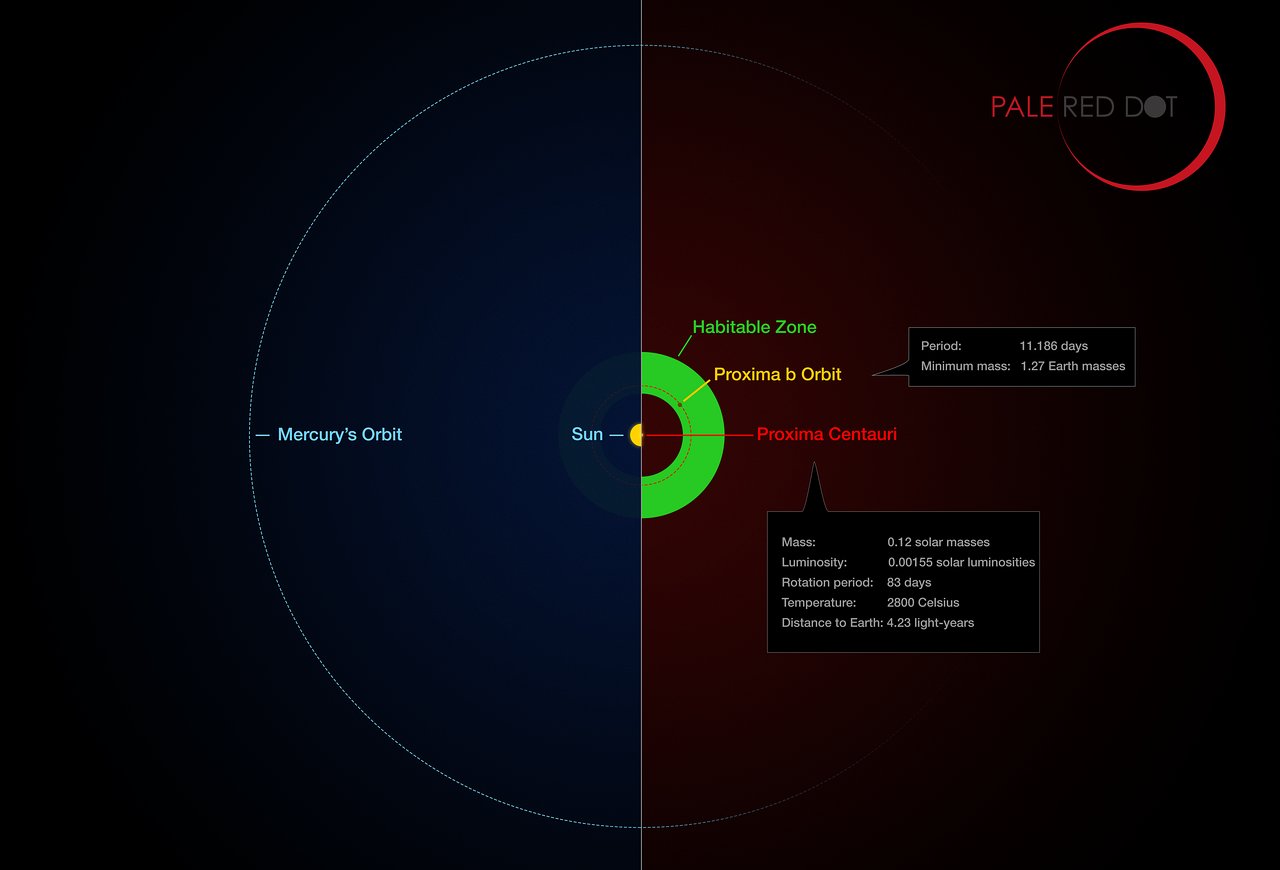
Proxima Centauri, the star closest to the sun, has a planet within its orbit that has a ‘Just Discovered’ sign hung around its neck. Not only that, but said planet could potentially have water in physical liquid form flowing across its surface. On the one hand it may turn out to be a starkly barren rock devoid of an atmosphere, the presence of air and water does not necessarily make this new world habitable, but on the other it just might be a home to alien life and has probably lifted the spirits of a several million researchers and enthusiasts. Rory Barnes, at the University of Washington epitomises this spirited reaction. ‘WE’VE been wondering what planet we’re first going to look for life on. Now we know,’ he opines, nicely put Rory..

Scientists discovered that the planet, which lies a ‘mere’ four light-years from Earth and therefore a credible distance for a visit by spaceship one day, has potentially Earth-like qualities. However until that investigative trip becomes a reality, astronomers will use an extremely large telescope to establish whether there is actually water on the planet’s surface as it orbits Proxima Centauri.
Nonetheless, what is probably more exciting about this new world is not what is known, virtually nothing thus far, but what is as yet unknown and the sheer raw potential it may hold. The vague chance that there is other life that human kind might recognise from 40 trillion kilometres away provides a distinct thrill of possibilities.
And if not alien life then a credible transportable water source that could one day supplement the resources of our own steadily dehydrating planet, from a location that is close enough in the context of the immense distances of space to mean that we might viably send probes to collect and even transport samples.

By the way the discovery of Proxima Centauri b has other repercussions, for example the topic title adds a third definition to the dictionary of alienation, determined as I am to logically push the boundaries of the English language.
alienation
noun
1. the state or experience of being alienated.
'a sense of alienation from our environment'
synonyms: isolation, detachment, estrangement, distance, separation, severance, parting, division,
divorce, cutting off, turning away, withdrawal; etc
2.
LAW
the transfer of the ownership of property rights.
'most leases contain restrictions against alienation'
synonyms: transfer, conveyance, passing on, handing over, devolution
3.
INTERPLANETARY
The population of other planets with alien life forms
' we are in the process of determining the alienation of Proxima Centauri b'
synonyms: alien census
Let’s face it there simply has to be some life form out there possessed of superior intelligence to help human kind out, given the current dangerously erratic behaviour of so called Earth-based leaders as the abyss of social and political division widens on literally every continent. Anyway as usual I digress......
Proxima Centauri, the star closest to the sun, has a planet within its orbit that has a ‘Just Discovered’ sign hung around its neck. Not only that, but said planet could potentially have water in physical liquid form flowing across its surface. On the one hand it may turn out to be a starkly barren rock devoid of an atmosphere, the presence of air and water does not necessarily make this new world habitable, but on the other it just might be a home to alien life and has probably lifted the spirits of a several million researchers and enthusiasts. Rory Barnes, at the University of Washington epitomises this spirited reaction. ‘WE’VE been wondering what planet we’re first going to look for life on. Now we know,’ he opines, nicely put Rory..
Scientists discovered that the planet, which lies a ‘mere’ four light-years from Earth and therefore a credible distance for a visit by spaceship one day, has potentially Earth-like qualities. However until that investigative trip becomes a reality, astronomers will use an extremely large telescope to establish whether there is actually water on the planet’s surface as it orbits Proxima Centauri.
Nonetheless, what is probably more exciting about this new world is not what is known, virtually nothing thus far, but what is as yet unknown and the sheer raw potential it may hold. The vague chance that there is other life that human kind might recognise from 40 trillion kilometres away provides a distinct thrill of possibilities.
And if not alien life then a credible transportable water source that could one day supplement the resources of our own steadily dehydrating planet, from a location that is close enough in the context of the immense distances of space to mean that we might viably send probes to collect and even transport samples.
