Thanks for this post Ben1 most interesting. A mantra in search of peace.
Kind Regards Redbeck
Yes indeed:
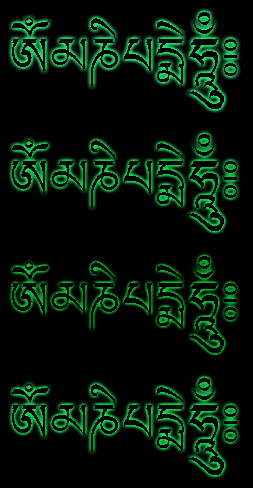
Om mani padme hum: The six-syllabled Sanskrit mantra closely associated with the four-armed Shadakshari form of Avalokiteshvara, the bodhisattva of compassion.
The exact meaning and significance of the words remain constantly debated among Buddhist scholars. The literal English translation is generally accepted as "praise to the jewel in the lotus". An alternative possible interpretation, based on a declarative aspiration, is "I in the jewel-lotus".
Padma is the Sanskrit for the Indian lotus (Nelumbo nucifera) and mani the word for "jewel", in essence a spiritual "jewel" and widely referenced in Buddhism. The first word, aum or om, is actually a sacred syllable residing in a variety of Indian religions, whereas the final word, hum represents the spirit of enlightenment.
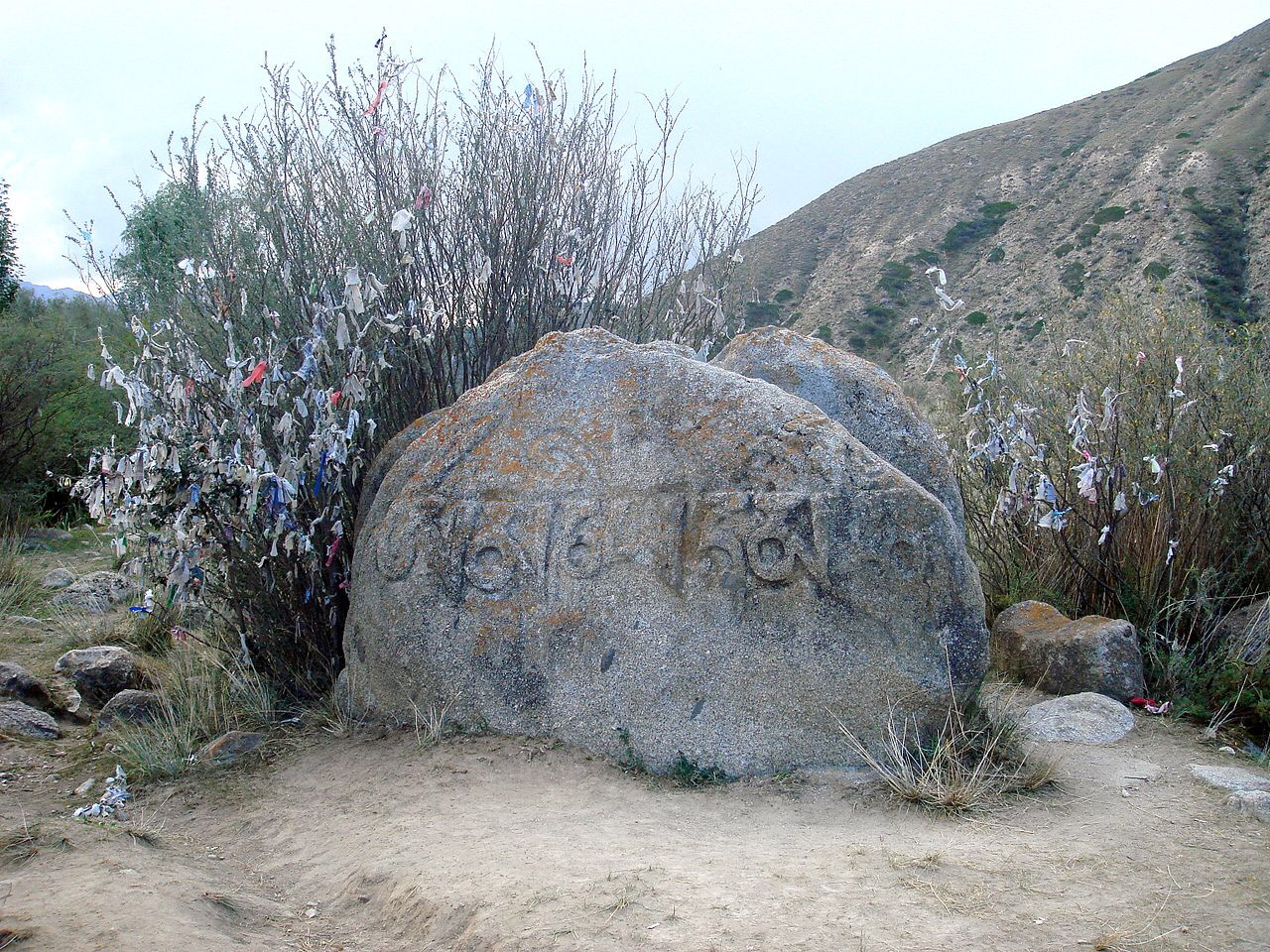
It is the most ubiquitous mantra employed throughout Tibetan Buddhism and by far the most popular element of religious practice, performed by laypersons and monastics alike. Also an ever-present feature of the religious landscape, frequently found carved onto rocks, known as mani stones, painted into hillsides, or otherwise written on prayer flags and prayer wheels.